
Medical team
Hair Transplant Clinical Team

Single-hair grafts planned around your features and the natural flow of the brow.
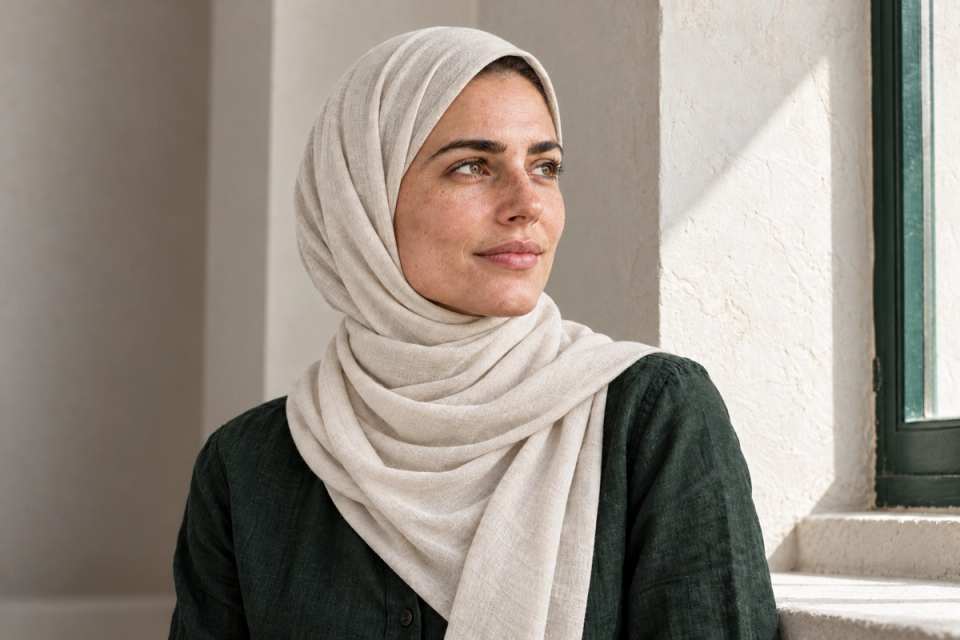
Eyebrow restoration places carefully selected follicular units into sparse or absent areas of the brow. The shape is agreed with you, then individual hairs are positioned to reproduce the changing angle and direction of a natural eyebrow.
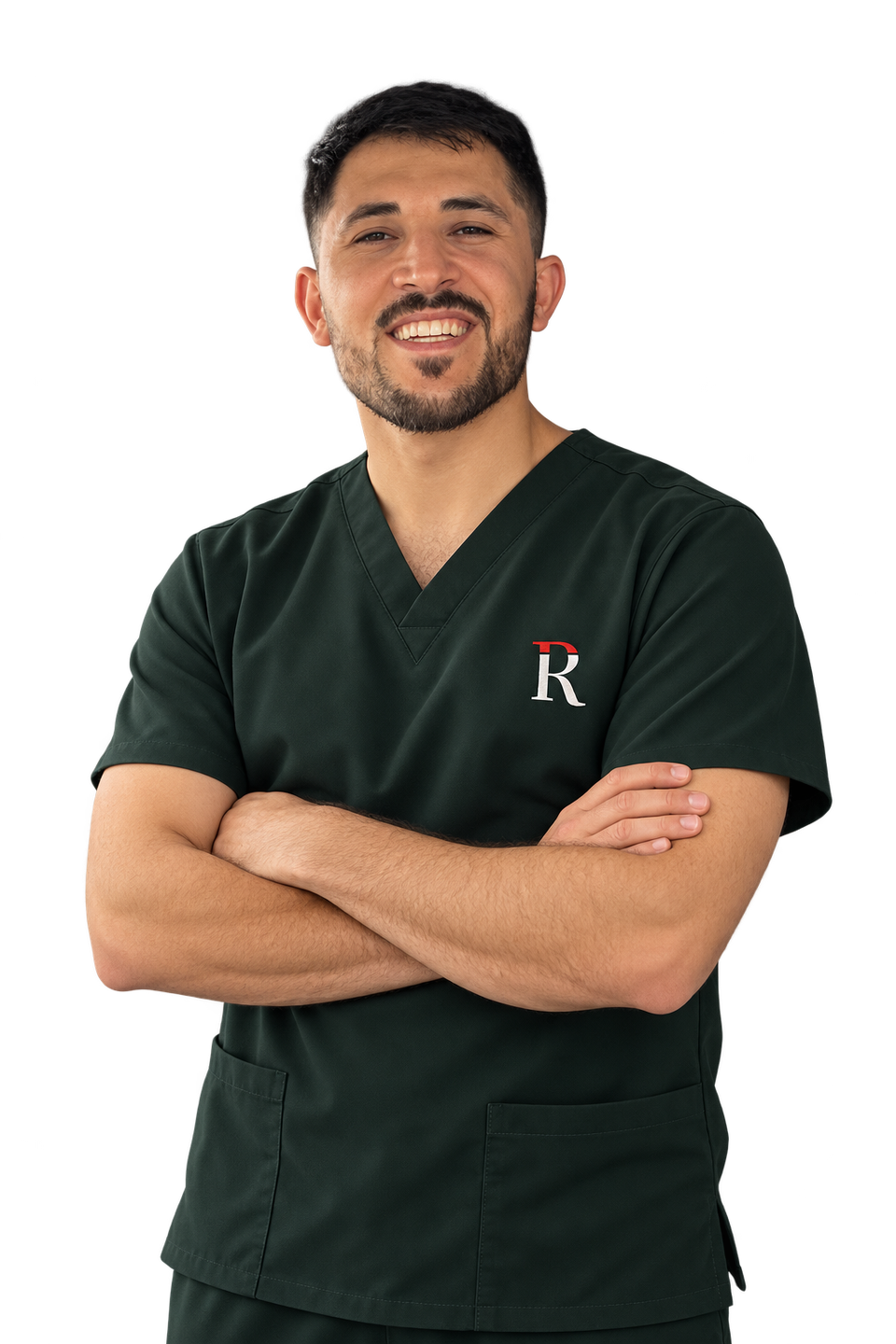
Hair Transplant Clinical Team

Patient Aftercare Team
Assessment
We assess your brows, skin, donor hair and preferred shape.
Brow design
We agree the outline and plan the direction of each section of the brow.
Your procedure
Selected single-hair grafts are placed at fine angles to follow the brow pattern.
Aftercare & follow-up
We guide healing, grooming and follow-up as new growth develops.
A good decision starts with clear information. We're here to answer your questions and help you feel confident about the next step.
Suitability depends on the cause and stability of eyebrow thinning, the condition of the skin and the available donor hair. Active skin or hair-loss conditions need medical assessment before transplantation is considered.
Natural eyebrows are made up of individual hairs that change direction across the brow. Single-hair follicular units allow the doctor to control placement, angle and direction more precisely.
Often, yes. Donor hair commonly comes from the scalp and may keep its longer growth characteristics, so regular trimming and grooming can be needed.
Visible redness, swelling and small crusts usually improve over about 7–10 days. Your clinical team will give specific instructions about cleansing, makeup, exercise and touching the grafts.
Transplanted hairs often shed during the first few weeks. New growth may begin around 3–4 months and continues to develop over the following months, with a fuller assessment around 12 months.
Tell us what you would like to change. We will help you explore the next step.