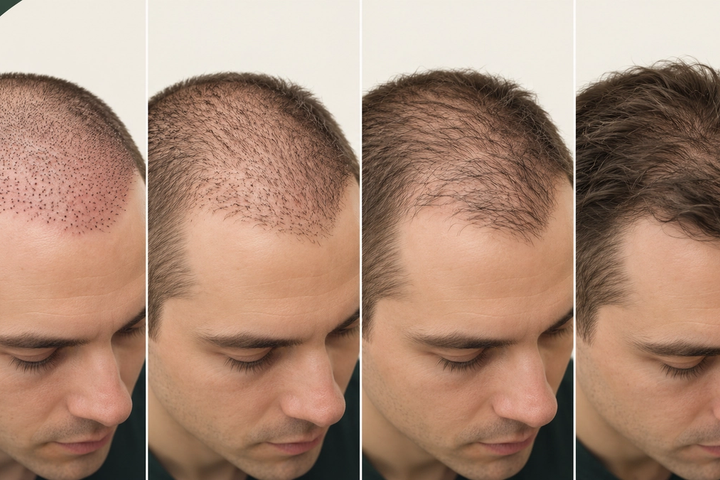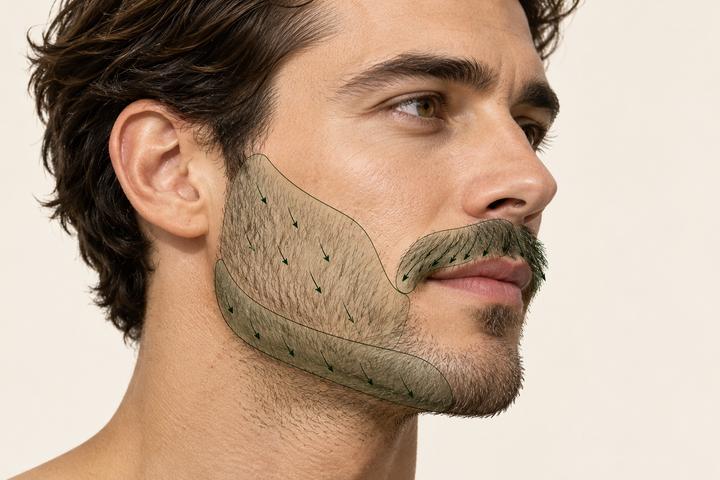
Travelling for a hair transplant adds decisions that local patients do not face: when to fly, what to carry, how to protect the grafts in transit and who will review healing after you return home. The answer to “How soon can I fly?” depends on your procedure, health, symptoms, journey length and the clinic’s follow-up protocol.
The CDC guidance on medical tourism recommends researching the facility, planning follow-up care and carrying medical records. Use that framework before paying for travel, and combine it with the questions in our hair transplant consultation checklist.
Agree the itinerary before booking
Send the clinic your arrival and departure options before buying non-refundable tickets. Ask how many nights they want you to remain nearby, when the first wash or check occurs and what could delay travel. Leave time for an in-person review rather than scheduling the procedure immediately before the last possible flight.
Think about the whole journey
A short flight can still involve airport queues, transfers, low doorways and crowded cabins. Plan transport that reduces rushing and accidental contact. Choose clothing that does not pull over the scalp. If you have mobility, clotting or other medical risks, discuss travel with an appropriate clinician; hair-transplant aftercare does not replace general fitness-to-fly advice.
Medication and airport security
Carry medicines in labelled original packaging with written instructions. Check airline, airport and destination rules for liquids and prescription documents. Keep essential aftercare items in hand luggage when permitted, but do not decant products into unlabelled containers. Never add aspirin, anti-inflammatory medicine, supplements or sedatives unless the treating clinician says they are appropriate for you.
Protecting the recipient area
Early grafts need protection from rubbing, scratching and impact. Follow the clinic’s position and headwear instructions; a tight cap chosen for discretion may create unwanted contact. Be cautious when placing bags in overhead lockers and entering vehicles. Cabin pressure is not the only consideration—physical contact and access to care matter too.
Swelling and appearance
Forehead swelling can develop after the procedure and may change over several days. Ask what the clinic considers expected, what measures are approved and which symptoms require review before flying. Do not conceal worsening pain, fever, discharge or eye symptoms just to keep an itinerary. Medical needs take priority over a ticket.
Build a remote follow-up plan
Confirm the messaging channel, working hours, emergency contact and dates for photo reviews. Ask what image angles and lighting are needed. Keep the procedure summary, medication list, clinic address and local medical options accessible. The recovery timeline can help schedule check-ins, but your own discharge instructions control.
Travel checklist
- Written clearance or timing advice from the treating clinic.
- Flexible booking and enough local nights for the first planned review.
- Labelled medicines, instructions and relevant health records.
- Loose front-opening clothing and approved neck support if recommended.
- Clinic contacts, insurance details and a plan for urgent local care.
- A safe method for carrying approved wash and aftercare products.
Patients travelling from the US, UK or Gulf
Long-haul routes, connections and time-zone changes can complicate dosing and sleep. Patients returning to hot, sunny Gulf climates should request explicit sun and headwear guidance. Travellers to the US or UK should check medicine and liquid rules before departure. These are planning examples, not universal medical rules; the itinerary must be individualised.
Before you confirm treatment abroad
Compare clinical accountability, not only the package. Know who performs the procedure, who supports you at home and how a complication would be handled. Review the clinic’s hair transplant approach and submit your proposed travel dates for case-specific planning.
Sources and further reading
Read CDC — medical tourism planning and follow-up, NHS — hair transplantation, recovery and risks, and American Academy of Dermatology — hair transplant suitability.
Frequently asked questions
Can I fly the day after a hair transplant?
Some clinics allow early travel in selected cases, while others require a local wash or review first. Your procedure, symptoms, health and journey length must be considered by the treating team.
Does cabin pressure damage hair grafts?
Travel planning is broader than cabin pressure. Early graft protection, swelling, medication, accidental contact and access to follow-up care all need consideration.
What should I carry on the flight?
Carry labelled prescribed medicines, written instructions, clinic contacts and permitted aftercare items. Confirm liquid and medicine rules with the airline and destination before travelling.