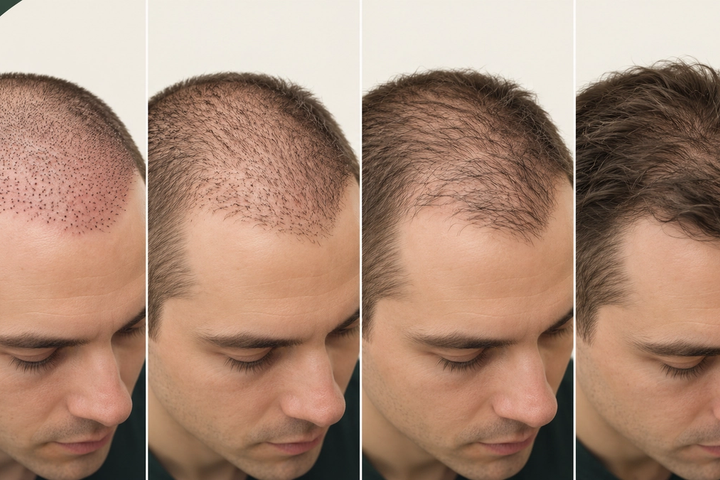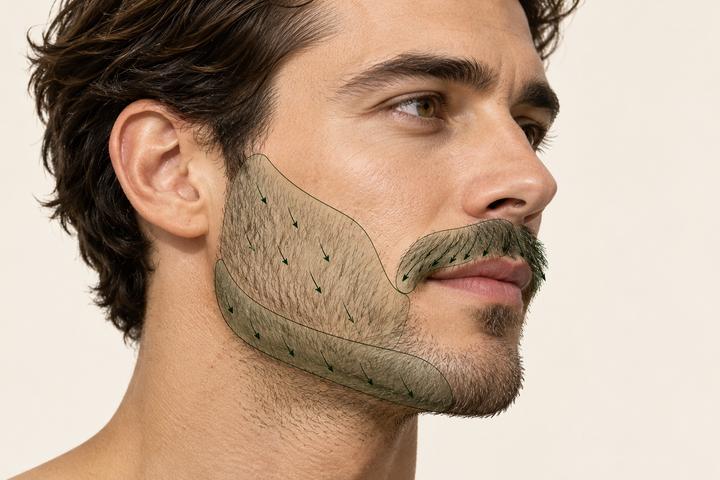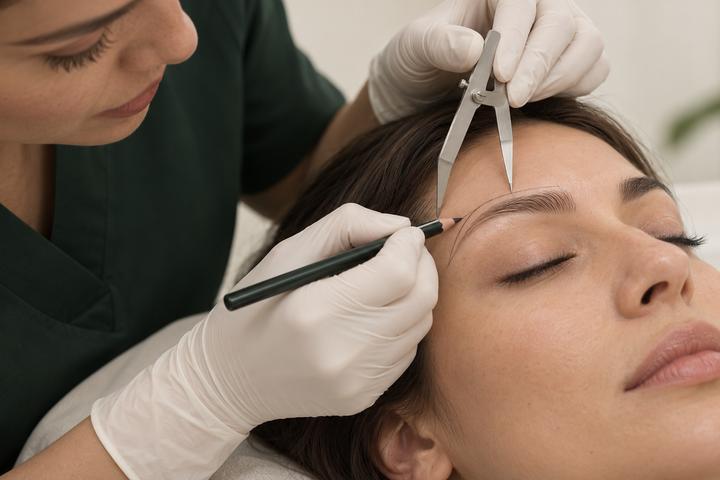
A hair transplant consultation is not only a sales conversation. It is the point at which a clinic should decide whether surgery is appropriate, explain what can realistically be achieved and show how the donor area will be protected. The American Academy of Dermatology notes that suitability depends on having enough healthy donor hair and the ability to grow hair in the thinning area.
Use the questions below as a framework rather than a scorecard. A thoughtful answer may include uncertainty because photographs cannot replace an in-person scalp examination. If you are still learning the basics, read our guide to graft and donor planning alongside the hair transplant treatment page.
1. What is causing my hair loss?
Ask what diagnosis the proposed plan is based on and whether the pattern appears stable. Different causes of hair loss do not all respond to transplantation in the same way. The clinic should ask about medical history, family pattern, medication, previous surgery and the speed of recent change. A responsible team may recommend dermatology assessment or treatment before surgery if the cause is unclear or active loss could undermine the plan.
2. Am I a suitable candidate now?
Suitability is a balance between the recipient area, donor supply, hair characteristics, age, future loss and expectations. Ask what makes you suitable today and what factor could make waiting safer. “You have hair loss” is not a complete answer. The plan should consider how the result may look if surrounding native hair continues to thin.
3. How was the graft estimate calculated?
A graft figure should follow the design, not lead it. Ask which zones are being treated, what density is intended and how the estimate relates to the measured donor area. Grafts and hairs are not interchangeable because one follicular unit can contain more than one hair. Very precise promises made from a few photographs should be treated cautiously.
- Which areas have priority if the donor supply is limited?
- How much donor reserve should remain for possible future loss?
- Will the count be confirmed after an in-person examination?
4. Who performs each surgical step?
Ask who evaluates you, draws the hairline, administers anaesthesia, makes recipient sites, extracts grafts and places them. Titles and responsibilities vary between countries, so request names, professional credentials and direct supervision arrangements. Also ask how many patients the clinical team handles at the same time.
5. Why this technique for my case?
Terms such as FUE and DHI are often presented as competing products even though they describe different parts of the workflow. Ask what will change clinically because of the proposed method: shaving, extraction, implantation control, session length, donor management or recipient-site planning. Our FUE versus DHI explainer separates those decisions.
6. How will the hairline age?
A natural hairline is not simply low or dense. It must relate to facial proportions, existing loss and the donor budget. Ask to see the design from the front, side and above, and ask why its height and shape are appropriate for you. Review our natural hairline planning guide before approving a final line.
7. What should I expect during recovery?
Request written instructions covering washing, sleeping, activity, sun exposure, medication and contact details for urgent concerns. Ask which symptoms are expected and which require review. The NHS overview of hair transplantation lists possible complications and explains that transplanted hairs commonly shed before regrowth. Our recovery timeline can help you plan work and travel.
8. How are problems and follow-up handled?
Clarify who answers questions after you return home, whether scheduled photo reviews are included and what happens if healing is slower than expected. Ask how the clinic documents graft counts and manages an unexpected change to the plan. For overseas care, obtain these answers in writing before booking flights.
The remaining questions to put in writing
- What is included in the quote, and what could create an additional cost?
- Which results shown are comparable to my loss pattern and hair characteristics?
- What outcome is unlikely even with technically good surgery?
- What is the plan if further native hair is lost?
- When may I fly, exercise, wear headwear and return to work?
- Which clinician will review my progress after I leave?
- What are the cancellation, revision and complication policies?
How to compare the answers
Compare the logic of each plan, not only price or graft count. Strong answers connect diagnosis, design, donor capacity and long-term maintenance. Warning signs include guaranteed density, pressure to pay immediately, refusal to identify the clinical team, or a plan that never discusses future hair loss. Keep copies of the design, consent documents and aftercare instructions.
A photo assessment can begin the conversation, but it should not be treated as a final diagnosis. If you want a case-specific review, prepare clear photographs and your history before you request a consultation. This article is educational and does not replace assessment by a qualified clinician.
Sources and further reading
Patient guidance: American Academy of Dermatology — hair transplant suitability; NHS — hair transplant procedure, recovery and risks; and the peer-reviewed overview Hair Transplantation: State of the Art.
Frequently asked questions
Can a clinic confirm my graft count from photos?
Photographs can support an initial estimate, but lighting, hair length and image angle hide important details. A final plan should account for an in-person assessment of donor density, scalp condition and recipient-area measurements.
Should I choose the clinic offering the most grafts?
Not automatically. A larger number is not better if it overharvests the donor area or is not linked to a realistic design. Ask how the figure was calculated and what donor reserve remains.
Is a guaranteed hair transplant result credible?
Healing, hair growth and progressive hair loss vary between people, so an exact cosmetic result cannot responsibly be guaranteed. The clinic should explain likely ranges, limitations and risks instead.