Eyebrows have a large effect on expression, but they are made from fine directional patterns rather than a single arc. Transplantation can be considered for selected stable thinning, scars or overplucking. It should begin with diagnosis because inflammatory disease, alopecia areata, hormonal conditions and other causes may need medical management rather than surgery.
A systematic review of eyebrow and eyelash transplantation found a varied evidence base and highlights the specialised nature of the procedure. Patients should understand both the potential improvement and the continuing grooming that scalp donor hair may require.
Diagnosis comes before drawing
The clinician should ask when thinning began, whether it is stable, what skin symptoms are present and whether medical evaluation has occurred. Scarring and non-scarring loss have different implications. Active inflammation can affect growth and healing. Cosmetic tattooing, previous surgery and current brow products also belong in the history.
Shape should suit the individual face
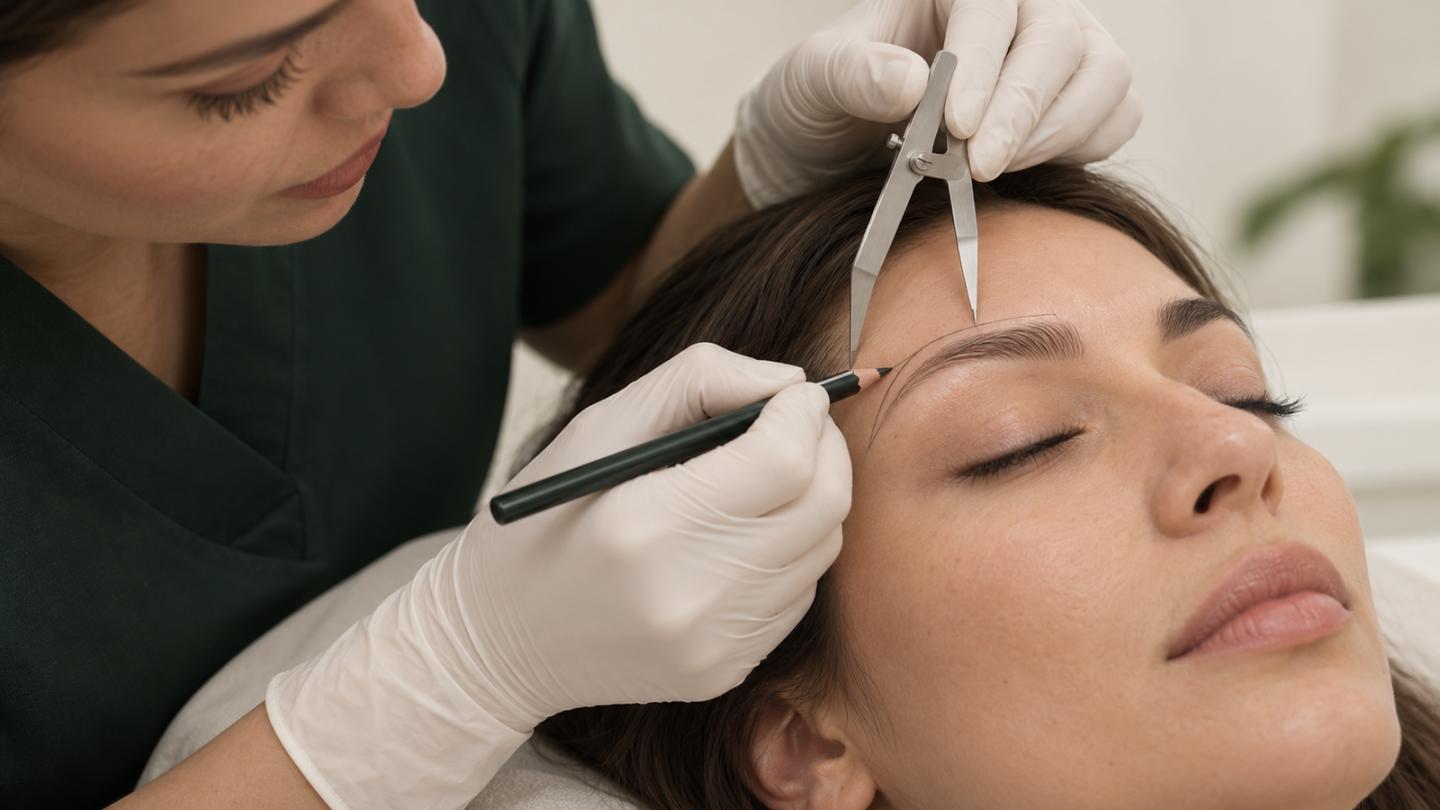
Brow position, start point, arch, tail, bone structure and existing asymmetry should be reviewed while the patient is upright. Trends change, so a permanent follicle design should be conservative. The plan should work without makeup and allow minor styling adjustments rather than locking the face into an exaggerated fashion shape.
Direction changes across the eyebrow
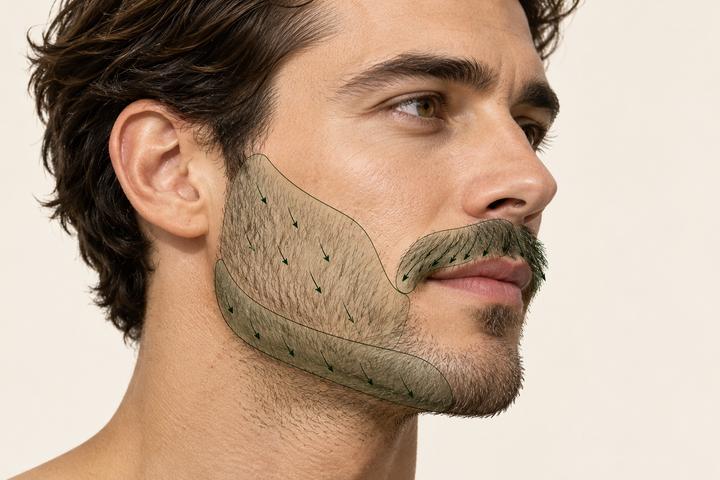
Hairs near the inner brow may point more upward, then flatten and change direction through the body and tail. They also emerge at a very acute angle to the skin. Small errors can be visible because the eyebrow is viewed close-up. Ask who creates or controls the recipient sites and how direction is checked across each zone.
Selecting donor hairs
Fine scalp hairs are generally preferred where they match the eyebrow more closely. Follicular units may need careful selection to avoid a coarse, tufted appearance. The donor source can still grow longer and faster than natural eyebrow hair, so transplantation does not eliminate grooming. Colour, curl and calibre matching should be discussed.
How many grafts?
The number depends on whether the goal is a small scar, tail restoration, density between existing hairs or broader reconstruction. More is not always better in delicate skin. A staged or conservative plan can allow growth and direction to be assessed before additional density is considered.
Recovery and early appearance
Redness, small crusts, swelling and temporary prominence can occur. Follow instructions for washing, makeup, skincare, sleeping and activity. Do not pick the area or apply unapproved cosmetics. Contact the clinic for increasing pain, heat, pus, fever, visual symptoms or rapidly worsening swelling.
Shedding, regrowth and grooming
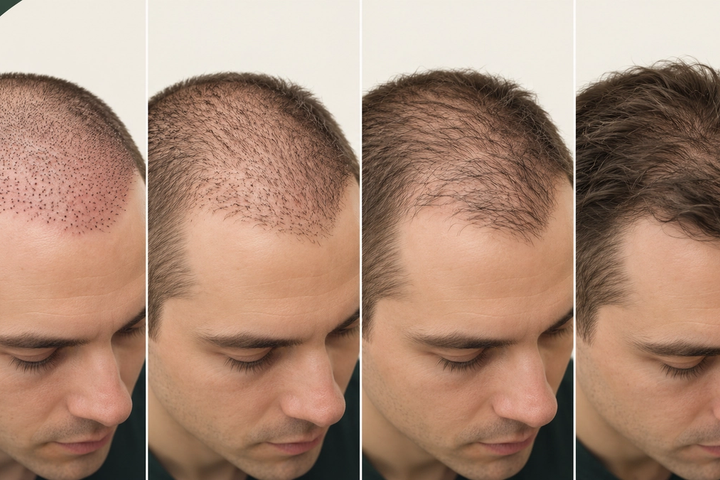
Implanted hair shafts commonly shed before new growth appears over later months. Early hairs may be uneven and can change in calibre as they mature. Because transplanted scalp follicles retain donor behaviour, regular trimming and directional training may be required long term. Final assessment should not be made during the early shedding phase.
Consultation checklist
- Has the cause of eyebrow loss been diagnosed and stabilised?
- How was the shape chosen, and how will existing asymmetry be handled?
- Which donor hairs match the brow’s calibre and texture?
- Who controls the very shallow placement angle and changing direction?
- What trimming, grooming and follow-up will be needed long term?
Transplant, camouflage or another pathway?
Some people may prefer makeup, microblading or another non-surgical option; others may not be candidates until a medical cause is treated. Each option has its own maintenance and risk profile. A balanced consultation should not present surgery as the only response to every sparse eyebrow.
Review the eyebrow restoration service, read the broader consultation questions and request an assessment with clear photographs. This article provides general education and cannot diagnose eyebrow loss.
Sources and further reading
See Eyebrow and Eyelash Hair Transplantation: A Systematic Review, Follicular unit extraction — review, and American Academy of Dermatology — hair loss diagnosis and transplantation.
Frequently asked questions
Do eyebrow transplant hairs need trimming?
Often yes. Scalp donor follicles can retain a longer growth pattern than native eyebrow hairs, so regular trimming and grooming may be necessary.
Can eyebrow transplantation treat every type of thinning?
No. Active inflammatory disease, alopecia areata and other medical causes require diagnosis and may make surgery unsuitable or premature.
When can makeup be used after an eyebrow transplant?
Use only the schedule and products approved by the treating clinic. Applying makeup too early may irritate healing skin or interfere with aftercare.