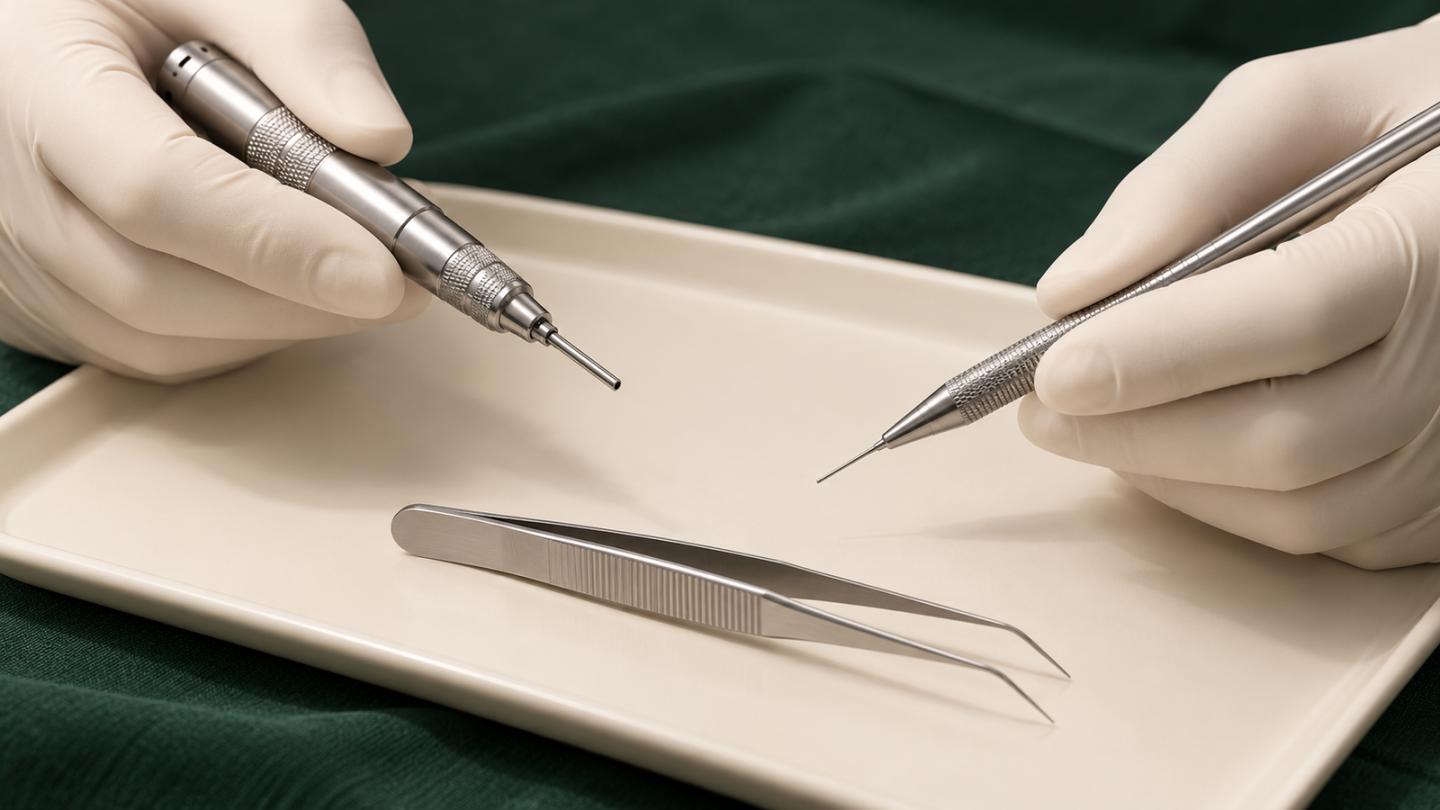
“FUE or DHI?” sounds like a simple choice, but the terms do not describe two complete and opposite operations. Follicular unit extraction, or FUE, refers to removing individual follicular units from a donor area. DHI is widely used as a commercial term for placing grafts with a pen-style implanter. A plan can therefore use FUE extraction and implanter placement in the same procedure.
The practical question is not which acronym wins. It is how the team will harvest safely, keep grafts protected, design recipient sites and distribute limited donor hair. The peer-reviewed review of follicular unit extraction describes FUE as an extraction method, while the current state-of-the-art review discusses transplantation as a broader planning and surgical process.
What happens during FUE extraction?
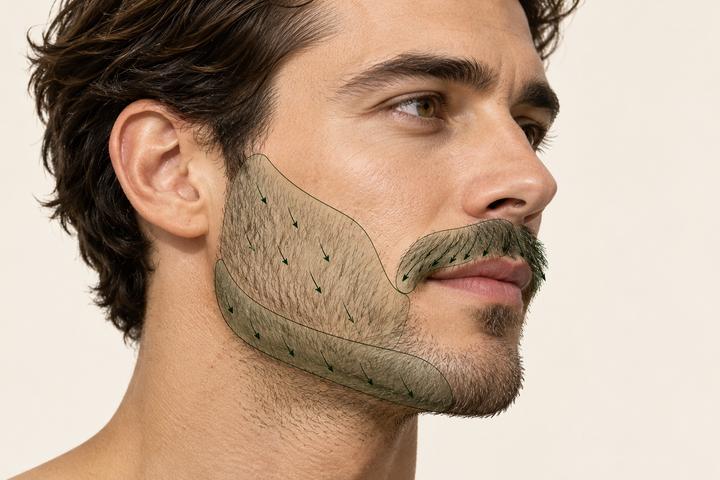
Individual follicular units are scored with small punches and removed from the donor region, usually at the back and sides of the scalp. Punch size, spacing, direction and extraction pattern affect healing and how the donor looks later. FUE does not mean “scarless”: it generally leaves many small extraction sites rather than a linear strip scar. Hair length, skin response and harvesting density influence visibility.
What does DHI usually mean?
DHI is commonly used for implantation with a device that holds a graft and introduces it into the recipient area. In other workflows, a clinician first creates recipient sites and assistants place grafts with forceps. Some clinics use a combination. Because terminology varies, ask the clinic to describe each step rather than relying on a package name.
Does one method create more density?
No tool can create unlimited density. The achievable appearance depends on available grafts, hair shaft calibre, curl, colour contrast, recipient blood supply, spacing and survival. An implanter may be useful in particular areas or workflows, but it does not remove biological limits. Density claims should be connected to measured area and donor capacity; our graft-planning guide explains that calculation.
Shaving and existing hair
Both methods can be adapted to different shaving patterns, although longer-hair or limited-shave approaches may take more time and are not suitable for every case. Working between existing hairs requires careful planning regardless of the placement tool. Ask whether reduced shaving changes session length, visibility, cost or the number of grafts that can be handled safely.
Recovery is driven by more than the label
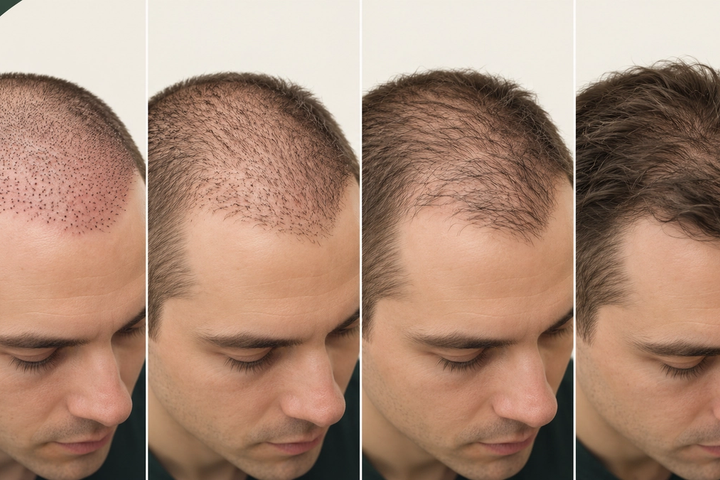
Early redness, crusting, swelling and temporary shedding can occur after transplantation. Recovery depends on the extent of the treated areas, tissue handling, individual healing and adherence to instructions. A branded technique does not guarantee a faster recovery. Use the hair transplant recovery timeline to understand phases rather than promised overnight transformation.
Questions that reveal the real plan
- Which extraction method and punch range will be considered for my donor hair?
- Who creates the recipient sites or controls direction, angle and distribution?
- Which parts of the case will use implanters, forceps or another placement method?
- How will graft hydration, counting and out-of-body time be managed?
- Why is this workflow suitable for my hair characteristics and target area?
How to choose between proposed workflows
Start with diagnosis, design and donor strategy. Then compare who performs the critical steps, how the hairline will be constructed and how follow-up works. A clinic should be able to explain trade-offs without claiming that every patient needs the same instrument. Review the consultation checklist and ask for a written sequence of the proposed procedure.
A realistic decision
For one patient, an implanter-led workflow may fit the recipient area and team experience. For another, pre-made sites and forceps placement may be preferred. Neither label substitutes for clinical judgement. The best discussion is case-specific and transparent about limitations, including whether the donor supply can support both current goals and future loss.
Explore the clinic’s hair transplant approach and request an assessment before choosing a technique. This guide is general information, not a recommendation for a particular method or a substitute for medical evaluation.
Sources and further reading
See Follicular unit extraction — peer-reviewed review, Hair Transplantation: State of the Art, and NHS guidance on hair transplantation and recovery.
Frequently asked questions
Is DHI a type of FUE?
In common clinic terminology, grafts may be extracted using FUE and then implanted with a DHI-style pen. The words can describe different stages, so ask for the exact extraction and implantation workflow.
Is DHI always denser than FUE?
No. Visible density depends on graft supply, hair characteristics, area, design and survival. The placement instrument alone cannot overcome donor or biological limits.
Which method heals faster?
Recovery varies with the treated area, harvesting pattern, tissue handling and individual healing. A technique name by itself is not enough to predict recovery for a specific patient.